
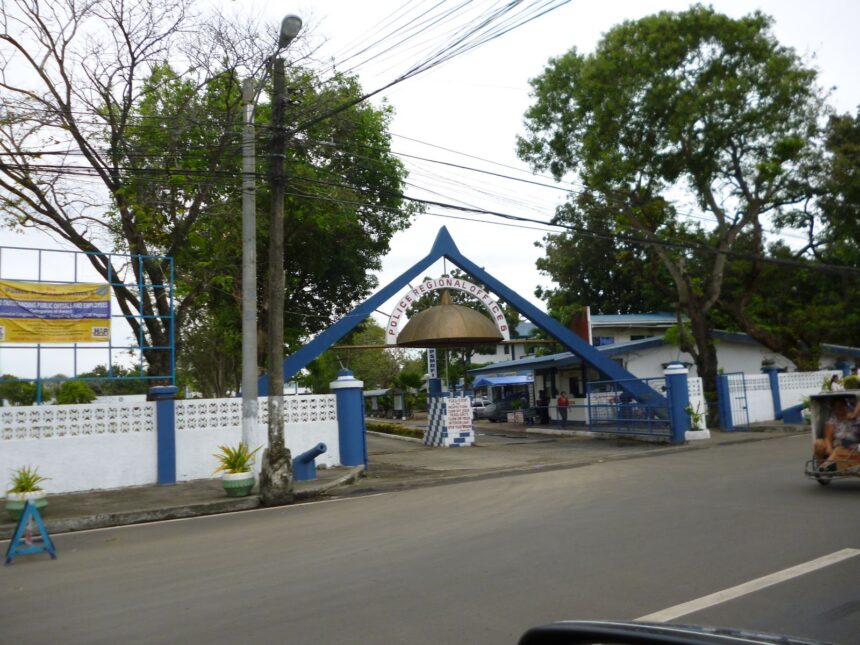
The Philippine National Police has ordered an accounting of recovered vehicles following allegations that some officers used them for personal purposes. The National Capital Region Police Office has also instructed its units to verify each vehicle’s status, location and disposition. The investigations now need to establish whether physical custody matches the official records.
PNP chief Gen. Jose Melencio Nartatez Jr. directed the Highway Patrol Group to investigate possible unauthorised use after concerns were raised at a Senate hearing. The order was issued on October 30.
The allegation and the police response
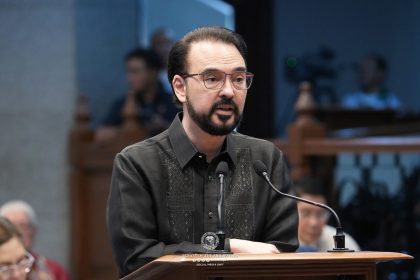
Sen. Raffy Tulfo raised reports during an October 28 hearing that recovered stolen vehicles were being used for personal errands. He also questioned delays in returning vehicles, saying some release papers moved quickly after complaints reached his office. These remain allegations to be checked against custody and release records.
Acting Highway Patrol Group commander Brig. Gen. Joyce Patrick Sangalang said personnel were prohibited from using impounded vehicles without authority. Nartatez warned that violations could lead to administrative and criminal charges where warranted.
NCRPO officer-in-charge Brig. Gen. Christopher Abrahano instructed district directors, station commanders and police chiefs to document and safeguard vehicles, and to report unauthorised use. That extends the accounting requirement across the regional police organisation.
What an inventory should establish
A vehicle count would answer only part of the question. A useful review should identify the case attached to each vehicle, its designated custodian, any recorded movements and the legal basis for continued detention. Investigators would then be able to compare those records with its actual location and condition.
Release histories also matter. A delay may have a legitimate evidentiary or ownership explanation. Where that is the case, the record should show it. Where a vehicle moved without a documented purpose, investigators should establish who authorised the movement and who used it.
The same approach should protect complainants from having to repeat their cases through informal channels. Owners need a clear account of the outstanding requirements and the office responsible for the next decision.
The result to watch
The next meaningful development would be a completed accounting, an explanation of discrepancies and action on substantiated violations. Aggregate findings could show the scope of the problem without disclosing owners’ personal details or compromising investigations.
An order to investigate is evidence of an official response. It does not yet show how many vehicles were misused, whether any particular officer is liable or how many owners have recovered their property. Those outcomes should determine the next assessment of the PNP’s response.