
The Senate’s pledge to remove unsupported infrastructure allocations from the proposed 2027 budget now has a date against which it can be assessed. The Department of Public Works and Highways has until November 3 to supply supporting documents for 6,271 projects described by senators as new House additions. As of November 2, that deadline has not passed.
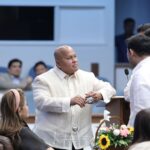
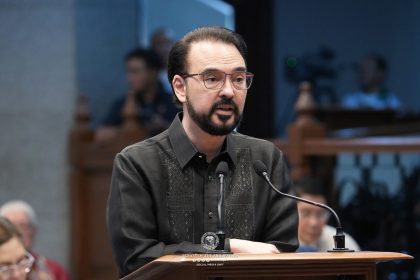
Sen. Panfilo Lacson said on November 1 that the majority bloc supported finance committee chair Sen. JV Ejercito’s effort to remove inadequately documented projects. The commitment also covers allocations in the district represented by presidential son Sandro Marcos.
What the commitment covers
According to Lacson, Ejercito secured a commitment from DPWH to remove infrastructure projects with incomplete documentation if the agency failed to submit the requirements by November 3. The condition matters: the promise concerns whether a project can be supported, rather than treating every congressional addition as improper.
Ejercito has also committed to inviting civil society organisations to observe bicameral deliberations and to livestreaming the proceedings. These are commitments about both the contents of the bill and public access to the decisions.
Keep the project counts separate
The Senate review put the DPWH project count at 11,420 in the executive proposal and 16,244 in the House-transmitted bill. The net increase between those totals is 4,824. The separately cited figure of 6,271 concerns projects described as new additions; it is not the arithmetic difference between the two totals.
A project-by-project reconciliation would explain the relationship between the counts, including any removals, replacements or changes in classification. Without that reconciliation, the figures should be reported as different measures rather than used interchangeably.
The same discipline applies to the money. An allegation that an allocation is vulnerable to patronage is a reason to examine its justification. It does not establish that the funds have been stolen or that every official associated with the district committed wrongdoing.
How the promise can be checked
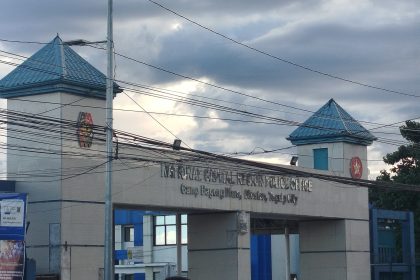
After the deadline, DPWH and the Senate could publish which projects received complete documentation, which remain deficient and which were removed. A dated list would let residents compare the undertaking with the version of the bill that moves forward.
For projects retained, the public should be able to identify the location, cost, implementing office and technical basis. For projects removed and later restored, the record should explain what changed and who authorised the change.
Public access to bicameral discussions would help, but observers also need enough information to follow amendments. The measurable outcome is a traceable set of decisions: documents received, allocations retained or deleted, and explanations attached. Until those steps occur, the budget purge remains a commitment awaiting its first deadline.