
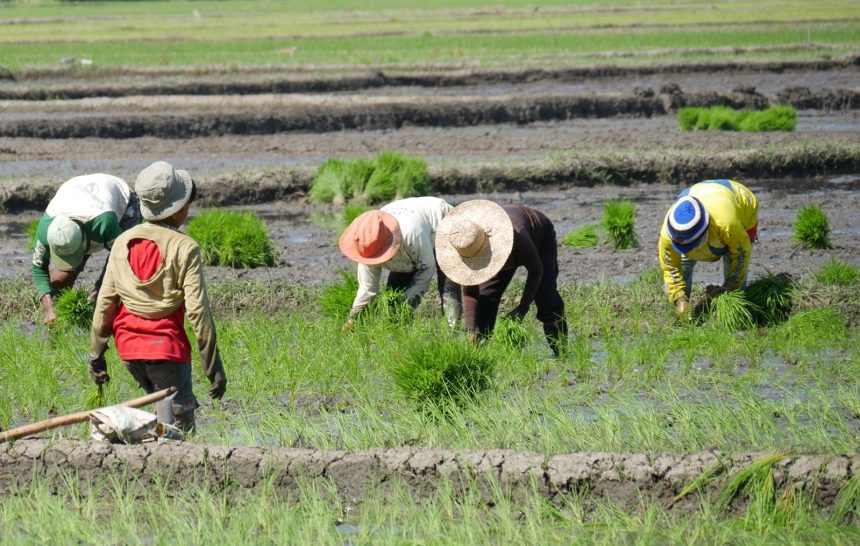
Malacañang said a state of calamity is not yet necessary in areas affected by El Niño, arguing that government agencies are already responding to drought conditions and providing assistance to affected communities. Palace Press Officer Claire Castro said existing mechanisms remain in place as authorities monitor the impact of the strong El Niño, which PAGASA expects to peak in November and December.
The Palace position comes despite growing pressure in the Senate for a broader emergency declaration.
Twenty senators from both the majority and minority blocs have filed Senate Resolution No. 765 urging President Ferdinand Marcos to declare a state of calamity in drought-hit areas or a state of imminent disaster in places facing what they described as potentially catastrophic impacts.
The resolution was led by Senate agriculture committee chair Kiko Pangilinan and supported by Senate President Sherwin Gatchalian and Senate President Pro Tempore Vicente Sotto III. The senators called for faster access to Quick Response Funds and other emergency resources for farmers, fisherfolk and communities affected by water shortages and agricultural losses. They also cited delays in the delivery of government assistance.
According to the resolution, only 22.8% of the Department of Agriculture’s 11.12 million target beneficiaries had received El Niño-related assistance as of October 6.
The senators said about ₱112 billion in government resources could potentially be mobilized, including roughly ₱39 billion in disaster funds. They are also seeking expanded irrigation support, farm inputs, crop insurance, food assistance and stronger monitoring of basic goods in affected areas.
For now, Malacañang maintains that existing agency responses are sufficient and that a calamity declaration is not yet warranted.