
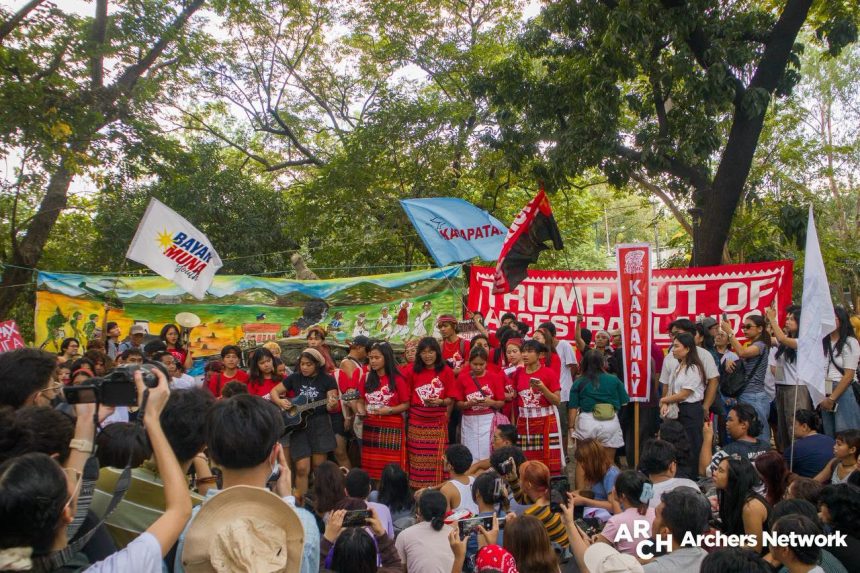
Philippine police reported 220 arrests following clashes with demonstrators opposing the ASEAN Summit, U.S. President Donald Trump’s upcoming visit and the Pax Silica initiative, as human rights and media organizations condemned the treatment of protesters and journalists.
The arrests took place on Sunday, November 15, during separate demonstrations in Manila and the Sucat area of southern Metro Manila, where protesters attempted to reach the Philippine International Convention Center in Pasay City.
The demonstrations began Sunday morning at Liwasang Bonifacio in Manila, where members of labor and activist groups tried to march toward the summit venue.
Police carrying shields blocked their route. Several protesters managed to pass through initial barricades before officers stopped them again, leading to confrontations.
Kilusang Mayo Uno president Jerome Adonis accused police of initiating the violence and questioned the arrests, saying they occurred inside a designated freedom park.
Reports from the Manila protest initially placed the number of arrests between eight and 11. Police also reported 15 injured officers, while protest organizers said several demonstrators were hurt.
Later Sunday, a separate confrontation occurred in Sucat, where members of Lakbayan ng Timog Katagalugan, a protest contingent from Southern Luzon, were attempting to join the demonstrations in Manila.
More than 200 people were detained after police blocked the group’s activities. Southern Police District director Rodel Pastor said protesters had refused instructions to leave the roadway and that charges would be pursued.
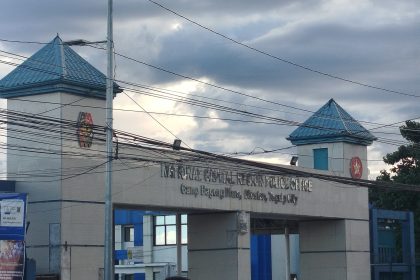
The detainees were taken to Camp Bagong Diwa in Taguig City.
By Monday morning, relatives and fellow activists had gathered outside the police camp demanding their release. Volunteer lawyer Abigail Aman said some detainees needed medical attention and that lawyers had waited several hours before being allowed to provide legal assistance.
On November 16, Philippine National Police spokesperson Allen Rae Co said a total of 220 individuals had been arrested and 21 rescued during protest-related incidents. He also reported 15 injured police personnel.
The police defended their actions, saying officers had exercised restraint and that the arrests resulted from alleged obstruction, public disruption and refusal to follow lawful instructions.
Amnesty International Philippines, however, called for the immediate release of protesters, citing reports that approximately 300 people had been detained.
The organization said authorities must respect the right to peaceful assembly and use force only when necessary and proportionate.
The National Union of Journalists of the Philippines also condemned alleged police harassment of media workers covering the demonstrations.
According to the NUJP, at least 22 journalists and campus reporters reported harassment. Two journalists were arrested in Sucat, while at least three others faced attempted arrests at Liwasang Bonifacio.
Footage reported by ABS-CBN News appeared to show police officers kicking protesters and forcing detainees into a crowded room during the Sucat operation.
The demonstrations were organized partly against Pax Silica, a U.S.-led initiative involving semiconductor and critical mineral supply chains. Protesters have raised concerns about possible displacement of farming and Indigenous communities connected to proposed industrial development in New Clark City.
The Philippine government has clarified that no Pax Silica agreement will be signed during the ASEAN Summit, although officials are targeting a deal before the end of the year.
On Monday, approximately 300 protesters who had stayed overnight at Liwasang Bonifacio were preparing further demonstrations, including a planned march toward the U.S. Embassy.
Trump is expected to arrive in Manila on November 17 for the ASEAN-US Special Summit.