
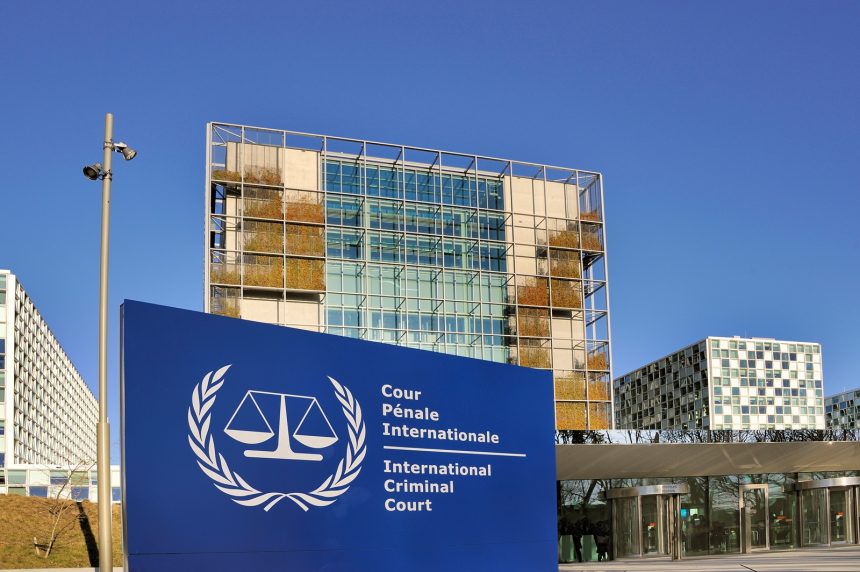
Lawyers representing victims in former President Rodrigo Duterte’s International Criminal Court case have asked judges to allow most prosecution witnesses to testify in closed sessions, citing security risks ahead of the trial’s scheduled opening on November 30.
In a public redacted filing released Thursday, Common Legal Representatives Gilbert Andres, Joel Butuyan and Paolina Massidda backed an earlier prosecution request for protective measures covering 55 expected witnesses.
The victims’ lawyers urged Trial Chamber III to take what they described as a “comprehensive and prospective approach,” arguing that pseudonyms and voice distortion alone may not be enough to prevent witnesses from being identified.
The pseudonym would prevent the formal identification of the witness in the proceedings, while closed session testimony would prevent the disclosure of the substantive and contextual details capable of revealing [the witness’s] identity.
The lawyers said public hearings remain a fundamental principle of ICC proceedings but argued that openness must be balanced against the court’s duty to protect the safety, dignity and psychological well-being of witnesses and victims.
They also asked judges to consider potential risks to witnesses’ families, particularly in close-knit Philippine communities where identifying details revealed during testimony could expose relatives to intimidation or social pressure.
The prosecution has previously sought measures including pseudonyms, face and voice distortion, private or closed sessions and psychological support for some witnesses.
The ICC has not yet ruled on all of the requested protections.
Trial Chamber III has authorized 539 victims who participated during the pre-trial phase to continue participating in the trial. Victims and witnesses have different roles: witnesses provide evidence to establish facts, while participating victims are represented by lawyers who present their views and concerns before the court.
Duterte’s trial is scheduled to open on November 30. The ICC has said interference with or intimidation of witnesses can constitute a separate offense against the administration of justice.