
The COP31 climate summit ended without a final agreement Sunday after countries failed to bridge deep divisions over fossil fuels and financial support for developing nations, marking the first collapse of UN climate negotiations since Copenhagen in 2009. More than two weeks of talks in Antalya, Turkey, stretched two days beyond their scheduled close, making COP31 the longest summit of its kind on record.
The European Union and several other countries rejected the final proposal put forward by conference presidents Turkey and Australia, arguing that it was too weak to address the worsening climate crisis.
A central dispute was the draft’s failure to mention a transition away from fossil fuels. European countries said they could not support a climate agreement that omitted coal, oil and gas, while Saudi Arabia and other major producers resisted language explicitly targeting fossil fuels.
Climate finance was another major sticking point.
Developing countries argued that stronger emission-reduction and adaptation commitments are difficult to deliver without sufficient financial support from wealthier nations. The proposed agreement called for a tripling of adaptation finance but did not establish a clear baseline for the increase.
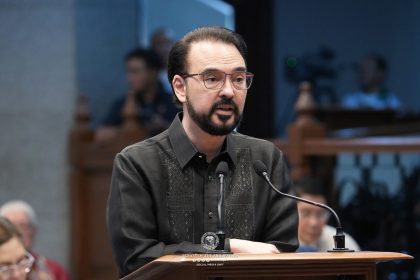
The Philippine delegation was among those stressing that climate targets must be backed by resources, saying financial support must be mobilized for mitigation, adaptation, technology transfer and loss and damage.
A target without means is a promise without a pathway.
Australia’s Chris Bowen, who led negotiations, described the outcome as “very disappointing,” while UN Secretary-General Antonio Guterres said governments had failed to meet the urgency of the climate crisis.
COP31 also unfolded as the world moves closer to exceeding the Paris Agreement’s 1.5°C warming threshold. Current policies are estimated to put the planet on a path toward around 2.8°C of warming this century.
The failure to adopt a final political declaration does not undo commitments made under previous climate agreements, including the Paris Agreement. But it leaves countries without a new collective signal on fossil fuels, climate finance and how to respond to increasingly severe climate impacts.
For the Philippines, which entered COP31 seeking more accessible climate financing and technology support, the breakdown leaves unresolved questions about how vulnerable developing countries will fund adaptation and the transition to cleaner energy.