
The government has allocated about $123.2 million for El Niño readiness and response as authorities prepare for worsening drought, water shortages and pressure on food production into 2027.
The United Nations said the government’s El Niño Task Force is coordinating measures focused on water security, food supply, public health, public safety and energy resilience. So far, 109 cities and municipalities have declared a state of calamity.
PAGASA confirmed on November 4 that a very strong El Niño is present in the tropical Pacific and is expected to persist through the first half of 2027, potentially peaking before the end of this year.
Agriculture is among the sectors facing the greatest risk. The Department of Agriculture estimates that about 4.6 million farmers and fisherfolk could be affected, while a worst-case scenario could cut palay production by about one million metric tons.
Around 2.26 million hectares of rice-growing areas have been identified as vulnerable to El Niño. The highest-risk areas may require farmers to shift to alternative crops or temporarily stop planting because of insufficient irrigation water.
The government is also preparing for rising electricity demand, heat-related illnesses and possible water shortages.
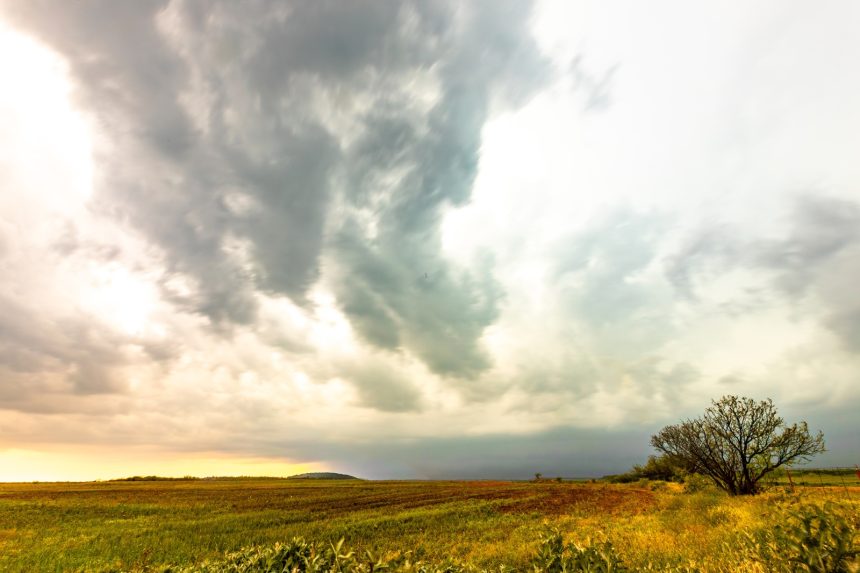
PAGASA said five provinces were already experiencing meteorological drought in October, with more areas expected to face drought or dry-spell conditions as rainfall declines in the coming months.