
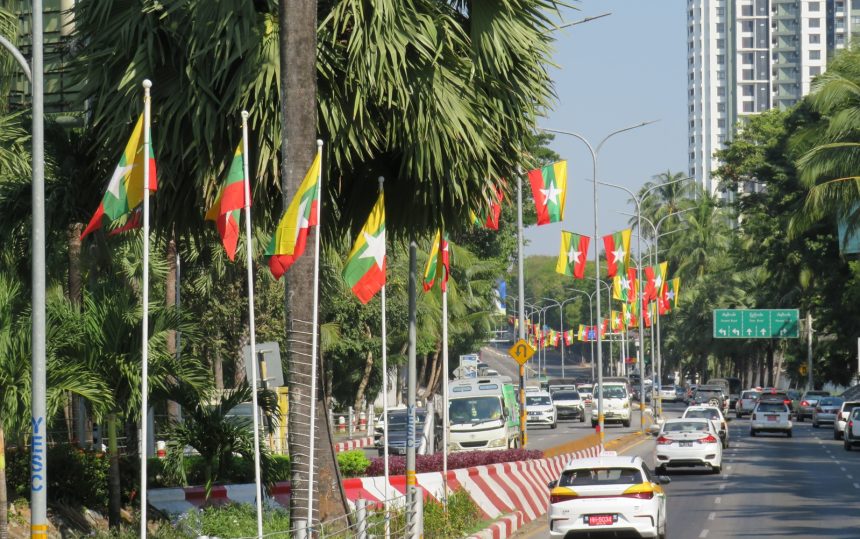
Southeast Asian leaders have extended restrictions preventing Myanmar’s political leadership from attending high-level ASEAN meetings, citing insufficient progress in ending the country’s continuing conflict. The decision was adopted at the 49th ASEAN Summit in Manila on November 15, following a review of Myanmar’s implementation of the Five-Point Consensus, the regional peace plan agreed upon in 2021.
Myanmar’s military-backed leader, Min Aung Hlaing, and Foreign Minister Tin Maung Swe remain excluded from ASEAN summits and foreign ministers’ meetings. Myanmar will continue to be represented by non-political officials.
ASEAN leaders expressed concern over continued violence against civilians by Myanmar’s military and other armed groups, and called for an end to hostilities.
However, the bloc also agreed to pursue a phased approach to engagement with Myanmar, allowing for the possibility of restoring full political representation if the country demonstrates sustained and concrete progress in implementing the peace plan.
Philippine Foreign Affairs Secretary Ma. Theresa Lazaro said any relaxation of restrictions would depend on measurable improvements, including a cessation of hostilities.
The Five-Point Consensus calls for an immediate end to violence, dialogue among all parties, mediation through an ASEAN special envoy and humanitarian assistance.
Myanmar has been restricted from high-level ASEAN political meetings since the military overthrew Aung San Suu Kyi’s elected government in February 2021.
Thailand had previously proposed allowing Myanmar’s foreign minister to return to ASEAN meetings, but the leaders maintained the existing restrictions.
ASEAN said the Five-Point Consensus would remain its principal framework for addressing Myanmar’s political and humanitarian crisis.