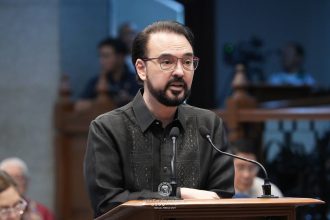

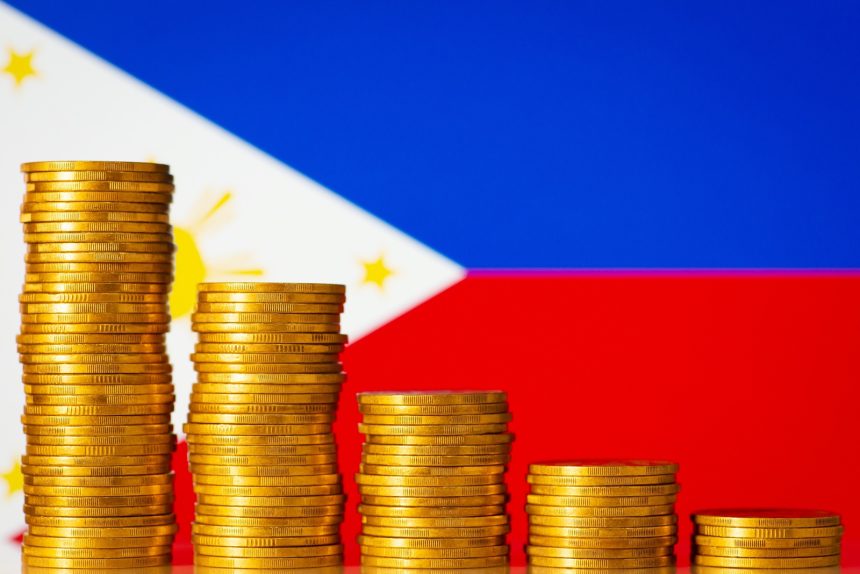
The Philippine economy could begin recovering in the fourth quarter of 2026 and gain momentum in 2027, despite rising inflation, slowing growth and increasing unemployment, according to Economy, Planning and Development Secretary Arsenio Balisacan.
Speaking at the BusinessWorld Forecast 2027 Forum on Wednesday, Balisacan identified the resumption of public investment and easing financial pressures on households and businesses as crucial to economic recovery.
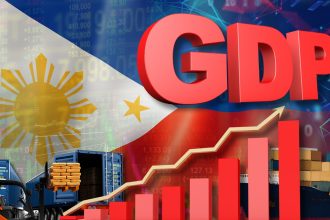
Economic growth slowed to 2.1 percent in the third quarter, its weakest performance since 2021, amid high prices, declining agricultural output and subdued investment. Growth averaged 2.5 percent from January to September, below the government’s full-year target of 3.5 to 4.5 percent.
Meanwhile, inflation accelerated to 7.8 percent in October, its highest level in nearly four years, driven by rising energy and transportation costs. Unemployment also increased to 5.4 percent in September, compared with 3.8 percent a year earlier.
Warning of the risk of stagflation, a combination of weak economic growth, high inflation and elevated unemployment, Balisacan outlined the government’s immediate priorities:
The immediate task is to ease supply pressures, revive productive investment and rebuild confidence.
Balisacan said the resumption of public infrastructure projects could support economic growth in the fourth quarter.
Lower fuel costs could also contribute to recovery, although their impact would depend on the peso’s performance and how quickly savings reach households and businesses.