
A person whose stolen car has been recovered should be able to find out where it is, why police still hold it and what must happen before it can be returned. Those are basic questions about custody. The Philippine National Police should answer them through records that can be checked, without requiring the owner to find a politician willing to intervene.
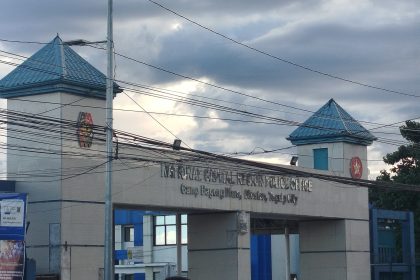
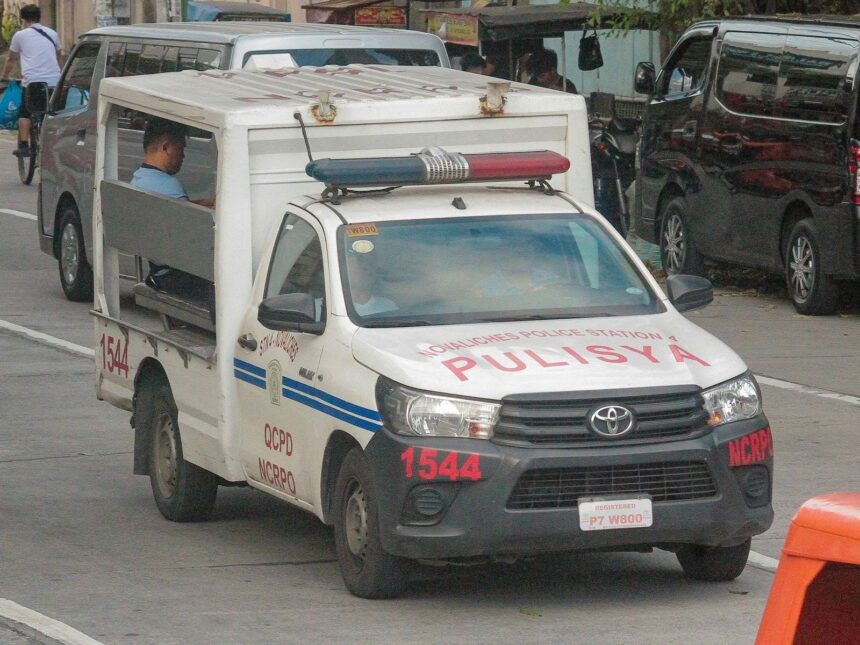
The issue has become urgent following reports that some officers used recovered vehicles for personal purposes. PNP chief Gen. Jose Melencio Nartatez Jr. has ordered an accounting and an investigation. Separately, the National Capital Region Police Office has directed its units to verify the status, location and disposition of vehicles in their custody.
These are necessary steps. Their value will depend on whether the inventories identify missing records, unexplained movements and delays that require action. The allegations remain subject to investigation, and no officer should be judged guilty simply because a vehicle was held at a particular station.
Custody needs a record
A useful accounting should connect each vehicle to its recovery report, legal basis for detention and responsible custodian. It should record who held the keys, who authorised any movement and whether an owner was told how to seek release. Where a vehicle must remain available as evidence, that reason should be explained through the appropriate process.
The distinction between legitimate retention and unnecessary delay matters. An ongoing investigation can justify keeping evidence. An unexplained wait, followed by rapid action when a complaint reaches an influential office, raises a different concern: whether access to a public service depends on connections.
That concern should be tested against actual release records. It would be unfair to infer misconduct from every delay. It would be equally unsatisfactory to dismiss owners’ complaints without examining why their cases moved as they did. A review that records the reasons for both prompt and delayed releases would serve officers and the public.
Publish the outcome
The PNP should publish aggregate findings while protecting personal information and active investigations. Citizens need to know how many vehicles were checked, how many could be located and what happened where the records did not match the physical inventory. Any confirmed unauthorised use should have an identified administrative response, with criminal proceedings considered where the evidence warrants them.
The response should also help owners. A clear contact point, written documentary requirements and an explanation of outstanding legal restrictions would make the process more predictable. Officers should have a reliable way to report irregular instructions without being expected to settle the problem informally.
The test of this investigation will be the condition of the custody system after the headlines fade. A completed inventory, corrected records and documented consequences would show that the order produced a result. The PNP has an opportunity to make the return of recovered property a service citizens can navigate with confidence.