

Claims involving threats, coercion, possible kidnapping and an alleged attempt to manufacture testimony against Vice President Sara Duterte have circulated for nearly a week. Yet the police record tells a more limited story. A police blotter exists. But according to the Philippine National Police, Duterte’s former household staff did not file affidavits accusing anyone of holding them captive, did not identify who allegedly threatened them and did not name anyone who supposedly tried to coerce them.
No criminal complaint has been filed against anyone over the episode.
The controversy began on November 17, when Duterte spokesperson Paolo Panelo said the vice president had received a message the previous night from an account believed to belong to a former household staff member. According to Panelo, the sender asked for help and rescue in Manila, claimed to be under the custody or control of unidentified people and said they were being pressured to sign a document they had refused to execute.
Panelo also raised the possibility that the episode was part of an effort to obtain false testimony against Duterte during her impeachment trial.
At that point, the PNP said it had received no formal complaint and urged Duterte or anyone with direct knowledge of the alleged threats to report them.
The “rescue” and the police account
The following day, Panelo announced that two former staff members were safe after Duterte’s legal team, with police assistance, fetched them and brought them to a police station. He said the women had executed affidavits and filed a police blotter, adding that an apparent attempt to use them for false testimony had been prevented.
Panelo later clarified that the women were not physically held captive. His account was that they were afraid to leave their employer because they had been told of threats to their lives.
The PNP subsequently gave a materially different account of what happened on November 17.
Police said two lawyers requested assistance in accompanying them to a hotel in Bonifacio Global City. Officers found two former Duterte staff members and three other people there. According to the PNP, none appeared restrained or under duress, and all five came down from their rooms voluntarily.
There was no rescue and no release, because no one was being held, the PNP said.
What was actually filed
The distinction becomes sharper at the police station. According to the PNP, the individuals declined to execute affidavits concerning their reported captivity. They did not identify anyone who had allegedly held them, identify the source of the reported threats or name anyone who had tried to force them to sign documents.
Instead, their lawyers submitted an affidavit for documentation. The police said that affidavit became the basis of the November 17 blotter. The five later left without requesting additional police protection.
The lawyer for the women’s employer has also denied that they were detained or coerced. He said proposed affidavits were intended to document security concerns and support a request for government protection. Panelo disputes that explanation and says the former staff members maintain that the documents contained false allegations against Duterte.
Those competing accounts have not been resolved.
An investigation may still follow
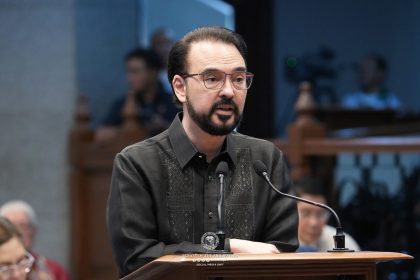
The National Bureau of Investigation has said it may open a motu proprio inquiry even without a formal complaint.
NBI Director Melvin Matibag said investigators could examine whether kidnapping, coercion or perjury occurred, but emphasized that basic questions still need answers: who was involved, what documents exist and what evidence supports the allegations.
The dispute widened again after Duterte accused the PNP of becoming an “enforcement arm of politicians” and said she possessed at least five documented instances of threats involving police personnel against her, her office or her family.
PNP chief Gen. Jose Melencio Nartatez Jr. rejected the suggestion that the force was acting politically and invited Duterte to submit the documents. He said complaints could be brought to the PNP Internal Affairs Service, the National Police Commission or the Ombudsman.
As of November 23, the public record therefore contains serious allegations, a police blotter and sharply conflicting accounts. What it does not yet contain is a sworn complaint from the alleged victims identifying a captor, a coercer or a person responsible for the reported threats.
That gap is now central to determining what, if anything, happened.