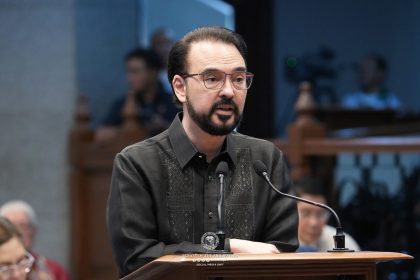

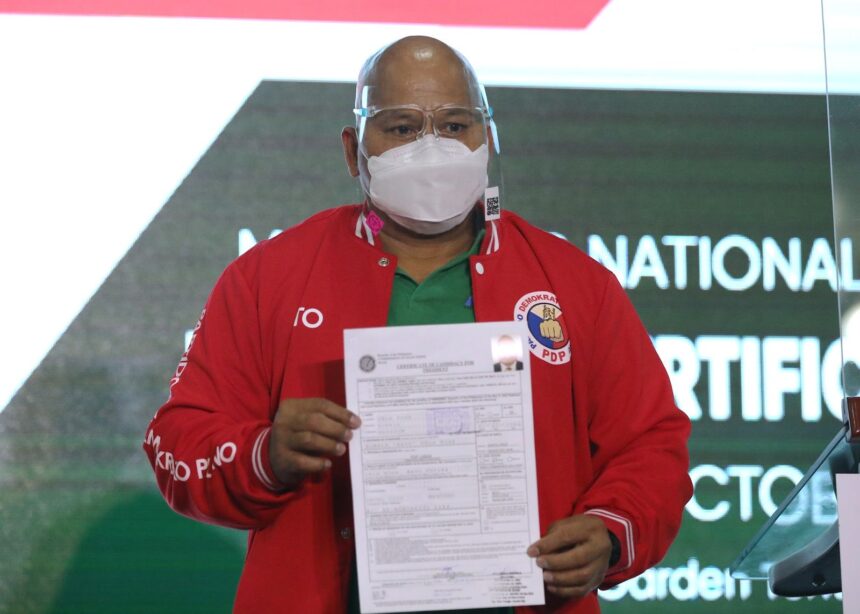
The one-week period given to Sen. Ronald dela Rosa to surrender expired on October 30 without his surrender. The Philippine National Police has since expanded its search, organising task groups in all 18 regions. The nationwide search was continuing as of November 2.
This updates the government’s earlier promise to bring the senator into custody. The deadline was an ultimatum for voluntary surrender, rather than a published guarantee that police would arrest him on that date. Its expiry nevertheless makes the results of the next phase of enforcement important to track.
From a surrender window to a wider search
By October 31, regional tracker teams had been mobilised under Lt. Gen. Wilson Lopez. Authorities said they were checking tips, coordinating with Immigration and strengthening border monitoring. The ₱50-million bounty remained in place.
Lopez said information about the senator’s whereabouts was still being validated. Reports of protection by an armed group in Mindanao should therefore remain attributed to officials and should not be treated as a confirmed location.
In a November 1 statement, the MNLF denied sheltering dela Rosa and said no verified evidence established organisational involvement. Personal or political links with individuals, the group said, should not be treated as proof that the organisation was protecting him.
Enforcement and its legal basis
Dela Rosa’s lawyer, Israelito Torreon, has questioned the basis of the operation and said his client’s name did not appear on INTERPOL’s public Red Notice website. The defence position should be reported accurately without treating a website search as a complete determination of the legal issue.
INTERPOL explains that most Red Notices are restricted to law-enforcement use, with public extracts released in some cases. It also states that a Red Notice is not an international arrest warrant and that each country decides its legal value. Those general rules do not confirm whether any particular notice exists for dela Rosa.
Authorities should explain the legal instrument on which they are acting through the appropriate official and judicial channels. Operational secrecy can protect an investigation while leaving room for clarity about authority, custody arrangements and safeguards.
What would demonstrate delivery
The clearest result would be lawful custody, with confirmation of the arresting agency and the process that follows. Until then, regional deployments, hotline activity and reported leads describe effort rather than completion.
PNP chief Gen. Jose Melencio Nartatez Jr. has also directed officers to respect human rights and exercise restraint. That undertaking remains part of the accountability test. The government’s response should be assessed on both its ability to carry out a lawful arrest and its observance of the safeguards it has publicly promised.