

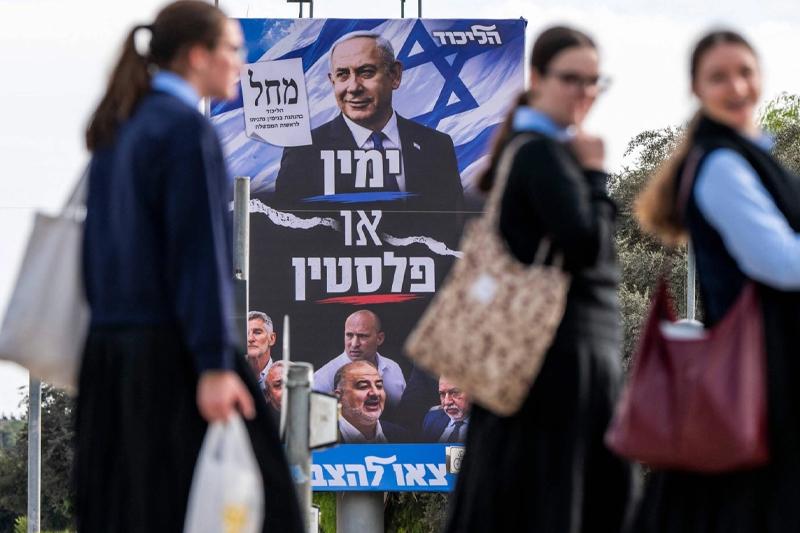
Israeli voters will head to the polls on Tuesday, October 27, 2026, to elect a new parliament amid ongoing regional conflicts, domestic political divisions and mounting international pressure. The vote will shape the political future of Prime Minister Benjamin Netanyahu, whose policies and responsibility for security failures ahead of the October 7, 2023, attacks remain central issues in the campaign.
Recent polls published before the election silence period suggested that neither the bloc led by Netanyahu’s Likud party nor the opposition alliance had enough support to secure an outright majority of the 120-seat Knesset, which requires at least 61 seats. Former military chief Gadi Eisenkot is among Netanyahu’s main challengers. The outcome will also depend on smaller parties, potentially leading to complex negotiations over the formation of a government.
Key issues include calls for an investigation into security failures before Hamas’s October 2023 attacks, exemptions from mandatory military service for ultra-Orthodox Jewish men, and the government’s controversial judicial reforms. The opposition is calling for greater political accountability and changes to the judicial system, while Netanyahu has defended the need for reforms and highlighted his security policies.
Arab parties, which represent Palestinian citizens of Israel, could also play an important role. Although their support could prove crucial to securing a parliamentary majority, both main political blocs have so far ruled out a formal coalition with them. According to Al Jazeera, the election outcome could also affect Israel’s relations with the international community and its policies towards Gaza, the occupied West Bank and Lebanon.